
Choosing a flour milling machine manufacturer is one of the most consequential decisions a mill owner, food processor, or grain trading company can make. The equipment you install determines your output capacity, your flour extraction rate, your energy consumption, and how easily your plant can be maintained over the next ten to twenty years. A low-cost machine from an unproven supplier can appear attractive on paper, but downtime, inconsistent granulation, and unavailable spare parts quickly erase any short-term savings.
This guide is written for international buyers who are sourcing a complete milling line or a single processing module. It explains what a professional flour machine factory actually delivers, how to assess manufacturing capability and certifications, and how to match equipment configurations to real production scenarios in wheat flour milling, bean peeling, corn processing, and multi-grain applications.
What a Flour Milling Machine Manufacturer Actually Provides
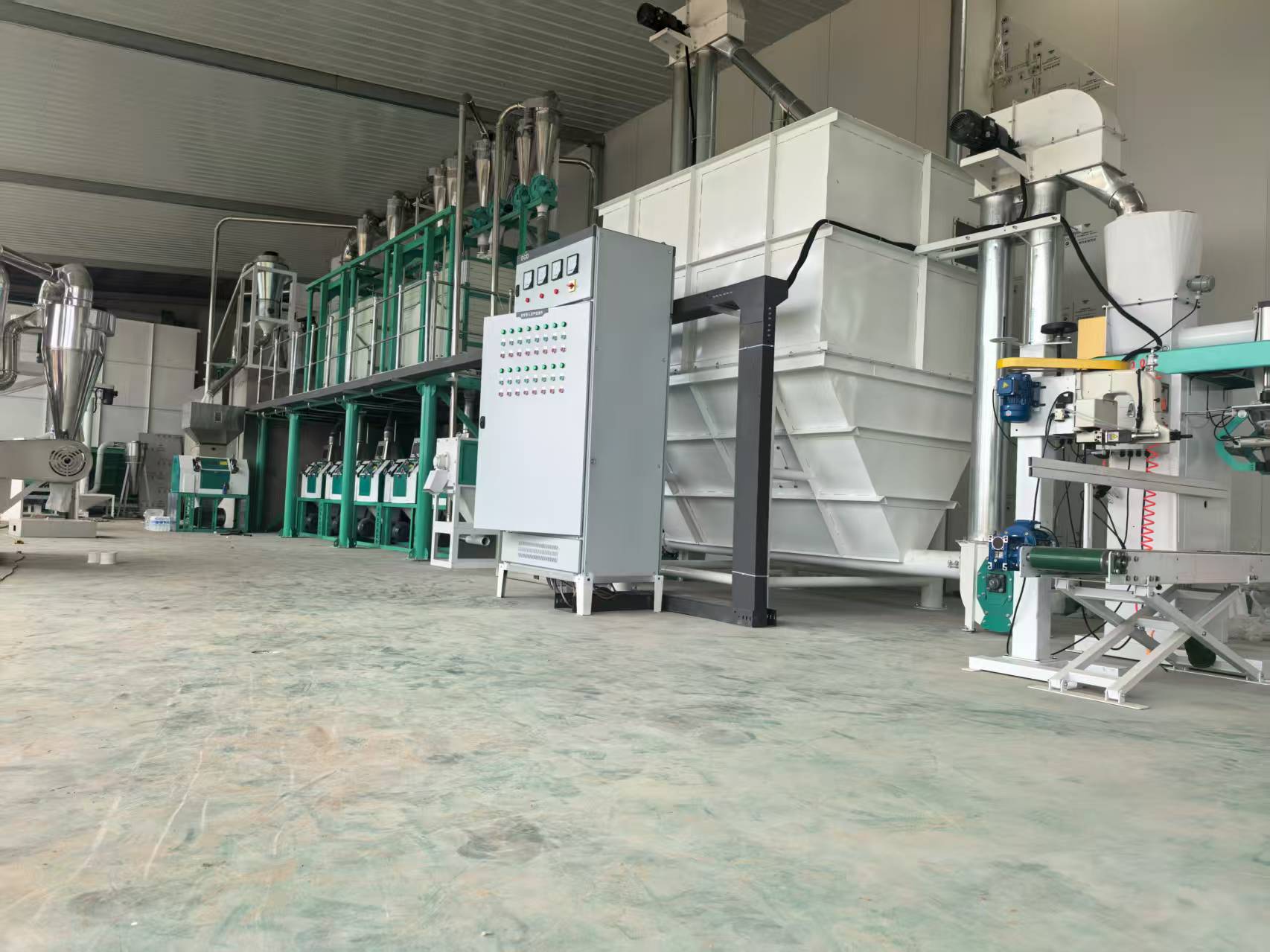
Many buyers begin the search assuming they are purchasing a single machine. In practice, a complete milling plant is an integrated system: cleaning and destoning equipment, tempering or conditioning units, roller mills, sifters, purifiers, bran finishers, pneumatic conveying, dust collection, and electrical control. A capable flour milling equipment supplier designs these components as one continuous flow so that each stage prepares the material correctly for the next.
This is why factory background matters. Companies that have manufactured grain processing machinery for decades typically understand how upstream cleaning affects downstream extraction rates, and how roller mill settings interact with sifter configuration. That accumulated process knowledge is difficult to replicate in a trading company that simply resells equipment assembled from multiple third-party workshops.
山东金有粮脱皮制粉设备有限公司 (Shandong Jinyouliang Peeling and Flour Milling Equipment Co., Ltd.), formerly the Shandong Flour Machinery Plant established in 1951, is one such manufacturer. The company operates as a comprehensive enterprise producing complete grain processing equipment, holds self-operated import and export rights, and has built its product range around peeling and milling technologies that now cover more than ten series and over one hundred specifications.
How to Evaluate a Flour Machine Factory Before You Order
Buyers frequently ask what separates a genuine flour machine factory from a reseller. The answer usually appears in three places: the breadth of the production range, the depth of process engineering support, and the traceability of quality management. A factory that manufactures its own rollers, frames, and housings can control tolerances; a reseller cannot.
Certification is a useful first filter but not a substitute for technical due diligence. Recognised management system certificates indicate that a manufacturer has documented quality, environmental, and occupational health processes. Product safety certifications matter when equipment will be installed in regions with strict import requirements.
The company referenced in this guide has obtained ISO 9001:2015 for quality management, ISO 14001:2015 for environmental management, and ISO 45001:2018 for occupational health and safety management, together with CE safety certification. For international procurement teams, these documents simplify supplier qualification and reduce compliance risk during installation.
Factory Evaluation Checklist
- Confirm whether the manufacturer produces core components in-house or assembles purchased modules.
- Request the equipment specification sheet, including motor power, roller diameter, and screen areas.
- Ask for the management system and product safety certificates relevant to your market.
- Verify export experience and whether the supplier holds self-operated import and export rights.
- Request spare parts lists with part numbers and expected replacement intervals.
- Ask how process parameters are tuned for your specific raw material, such as wheat hardness or bean variety.
Product Range: From Peeling Modules to Complete Flour Milling Lines
The product portfolio of a mature grain processing equipment manufacturer usually spans several raw material categories rather than a single crop. This breadth is valuable because it allows one supplier to configure lines for wheat flour, bean processing, corn processing, rice milling, food production, brewing, oils and fats, starch, chemicals, and mining applications — a scope that mirrors the application coverage of the manufacturer described here.
Within the peeling and milling category, key equipment families include bean peeling and flake extraction systems, corn polishing, peeling, and germ extraction systems, and corn cob deep-processing equipment. Each of these addresses a specific material behaviour problem. Beans require controlled friction and moisture to loosen hulls without fracturing cotyledons. Corn requires careful separation of germ and bran to protect starch quality and improve shelf life. Corn cobs require different mechanical treatment entirely, which is why dedicated deep-processing equipment exists.
Many of the principal products in this range carry patented technology, which is a meaningful indicator of sustained engineering investment rather than catalogue expansion. Products are supplied across domestic provinces and exported to Europe, Africa, Russia, South Korea, and other markets.
Comparing Configuration Options Across Flour Machine Brands
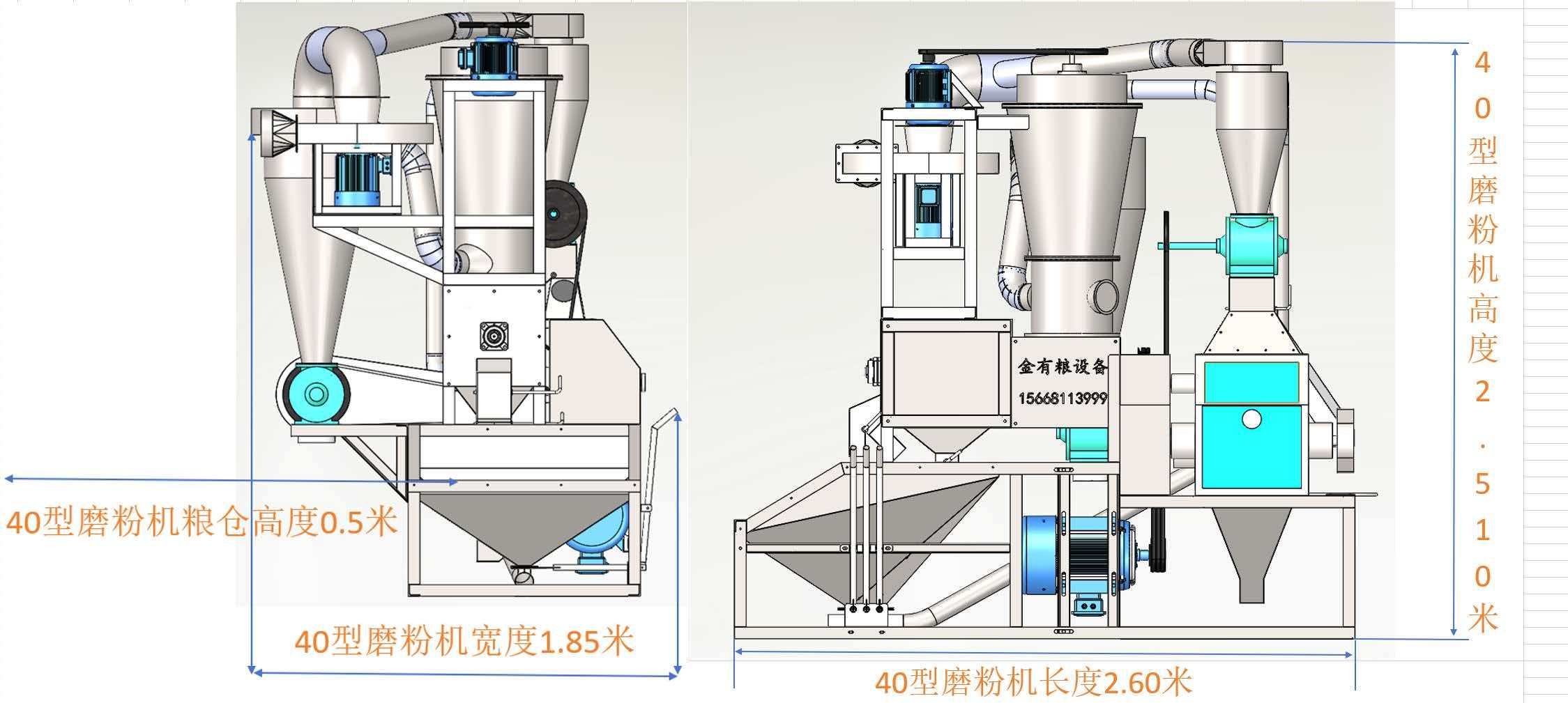
When buyers compare quotations from several flour machine brands, the numbers often look similar at the headline level but differ substantially in detail. Capacity stated in tonnes per day may assume different wheat specifications, different extraction targets, or different operating hours. Normalising these variables before comparison prevents expensive surprises after commissioning.
The table below summarises the practical differences buyers typically encounter when evaluating configurations. It is intended as a comparison framework rather than a fixed specification list, because final parameters depend on raw material testing and site conditions.
| Comparison Point | What to Ask the Manufacturer | Why It Matters |
|---|---|---|
| Stated capacity | Capacity basis, operating hours, and raw material assumptions | Prevents unrealistic output expectations at commissioning |
| Cleaning section | Number of destoners, magnetic separators, and dampening stages | Directly affects ash content and flour brightness |
| Roller mill configuration | Roller diameter, length, flute profile, and number of break and reduction passages | Determines extraction rate and flour granulation control |
| Control system | Degree of automation, monitoring points, and interlock logic | Affects labour cost, consistency, and downtime response time |
| Spare parts strategy | Recommended wearing parts inventory and delivery lead times | Reduces long-term operating cost and unplanned shutdowns |
| Energy efficiency | Installed power per tonne of finished product | Electricity is a major recurring cost in milling plants |
Application Scenarios That Shape Equipment Selection
A complete flour milling plant designed for one application rarely performs equally well in another. Wheat flour milling emphasises gradual reduction, precise sifter grading, and controlled roll clearance to achieve consistent ash and moisture targets. Bean processing emphasises hull removal with minimal breakage, followed by flake or split extraction. Corn processing emphasises germ and bran separation before milling so that oil-bearing germ does not contaminate the finished product.
Because these requirements diverge, buyers should describe their intended product mix in detail during the enquiry stage. The manufacturer can then propose a flow sheet rather than a generic equipment list. For a plant that will switch between wheat and coarse grains seasonally, modular design and quick-change screens become more important than maximum single-line capacity.
Design philosophy also matters. The manufacturer referenced in this guide states that its product development follows principles of simplicity, efficiency, energy saving, and environmental protection, an approach reflected in equipment families developed for bean peeling and flake extraction, corn polishing, peeling, and germ extraction, and corn cob deep processing. These design priorities typically translate into fewer transfer points, lower dust load, and simpler cleaning routines.
Customisation, Automation, and Long-Term Service
A capable flour milling equipment supplier does not stop at delivering hardware. Installation supervision, commissioning, operator training, and process adjustment during the first production runs determine whether the plant reaches its rated performance. Buyers should confirm what is included in the commercial offer and what is charged separately.
Automation is increasingly part of the specification conversation. Even where full plant automation is not justified, partial automation of feeding, dampening, and roller gap adjustment reduces operator error and improves batch consistency. Intelligent control is listed among the application areas this manufacturer covers, which suggests that control integration can be discussed as part of the overall line design rather than as an afterthought.
Service capability should be assessed on the same basis as manufacturing capability. Ask how technical support is delivered across time zones, whether documentation is provided in the buyer’s working language, and how quickly wearing parts can be shipped. Export experience across Europe, Africa, Russia, South Korea, and other regions indicates familiarity with international logistics and documentation requirements.
Practical Procurement Advice for International Buyers
Before issuing a purchase order, request a raw material sample analysis. Send representative wheat, corn, or bean samples to the manufacturer so that the proposed flow sheet reflects actual hardness, moisture, and impurity levels. This step alone prevents a large share of commissioning disputes.
Second, insist on a written scope matrix covering equipment list, electrical specification, installation responsibility, commissioning duration, training hours, warranty terms, and spare parts recommendations. Third, visit the factory where possible, or request a video walkthrough of the assembly area and a reference installation. Finally, evaluate the supplier’s engineering response quality — the clarity of technical answers during the enquiry phase is usually a reliable predictor of support quality after delivery.
FAQ
What should I check before choosing a flour milling machine manufacturer?
Verify that the manufacturer produces core components in-house, has documented quality and safety management systems such as ISO 9001 and CE certification, holds self-operated import and export rights if you are buying internationally, and can provide a flow sheet tailored to your raw materials rather than a generic equipment list. Also confirm spare parts availability and technical support arrangements.
Can one flour machine factory supply equipment for wheat, corn, and beans?
Yes, provided the manufacturer has a broad product range. The company described in this guide produces peeling and milling equipment across more than ten series and over one hundred specifications, covering flour, beans, coarse grains, corn, corn cobs, rice, food, brewing, oils and fats, starch, chemicals, mining, and intelligent control applications.
How do I compare quotations from different flour machine brands fairly?
Normalise every quotation to the same basis: capacity per operating hour, raw material specification, target extraction rate, finished product granulation, installed power, and included services. Ask each supplier to state the assumptions behind their capacity figures, and compare the cleaning section and roller mill configuration rather than only the total price.
What certifications should a grain processing equipment manufacturer hold?
For international procurement, look for ISO 9001:2015 quality management, ISO 14001:2015 environmental management, and ISO 45001:2018 occupational health and safety management, plus product safety certification such as CE where applicable to your market. These documents support supplier qualification and help ensure smoother customs and installation compliance.
Is a complete flour milling plant suitable for a small or medium mill?
Yes. Complete lines can be configured in modular form so that capacity matches local demand, with room for later expansion. Buyers with seasonal raw material changes should prioritise modular design and quick-change components over maximum single-line throughput.
How can I reduce operating costs after installation?
Focus on three areas: maintain consistent raw material quality so the cleaning section works as designed, follow the recommended roller and screen maintenance schedule to preserve extraction efficiency, and monitor installed power per tonne of finished product to detect inefficiencies early. Keeping a small inventory of critical wearing parts prevents prolonged downtime.
Summary
Selecting a flour milling machine manufacturer is a process engineering decision, not simply a purchasing transaction. The right flour machine factory will assess your raw materials, propose a flow sheet that matches your product mix, document its quality and safety systems, and support you through commissioning and long-term operation. Shandong Jinyouliang Peeling and Flour Milling Equipment Co., Ltd., with roots dating to the Shandong Flour Machinery Plant established in 1951, combines a broad peeling and milling product range with ISO 9001:2015, ISO 14001:2015, ISO 45001:2018, and CE certification, and exports to Europe, Africa, Russia, South Korea, and other markets. Buyers who compare configurations on a normalised basis, verify manufacturing capability directly, and plan spare parts and service from the outset are best positioned to build a milling operation that remains efficient for years.