
A wheat flour milling machine custom manufacturer builds equipment around a specific grain, capacity target, and plant layout rather than pushing a single fixed model. Choosing such a partner means evaluating engineering depth, fabrication control, customization scope, and long-term service support before an order is placed.
What a Wheat Flour Milling Machine Custom Manufacturer Delivers
A wheat flour milling machine custom manufacturer designs and fabricates milling equipment to match a buyer’s raw material, output target, and site conditions. The deliverable is more than the machine itself: it includes the engineering decisions behind frame layout, roll configuration, screening arrangement, and the interfaces that connect the unit to upstream and downstream equipment.
Catalog equipment works well where production is predictable and repetitive. Custom engineering becomes relevant when the grain source changes through the year, when an existing building limits the footprint, or when the milling line must integrate with cleaning, tempering, and storage systems already installed on site. In those situations the manufacturer’s engineering team converts process requirements into mechanical specifications that a fabrication team can actually build against.
This is why the first deliverable from a serious supplier is usually a process description and a layout drawing, not a price. The drawing shows where material enters, how it moves between stages, and where the finished product leaves the line, which is the only reliable basis for comparing one proposal with another.
Signals of Engineering Depth
Engineering depth becomes visible in how a manufacturer answers a non-standard request. A capable team asks about grain hardness, moisture variation, target extraction rate, and available floor space before quoting, rather than issuing a price against a model number and leaving the process questions for later.
- Documented process flow covering intake, cleaning, milling, sifting, and finished product handling
- In-house fabrication, machining, and assembly testing rather than fully outsourced production
- A stated customization boundary that separates what can be modified from what stays standard
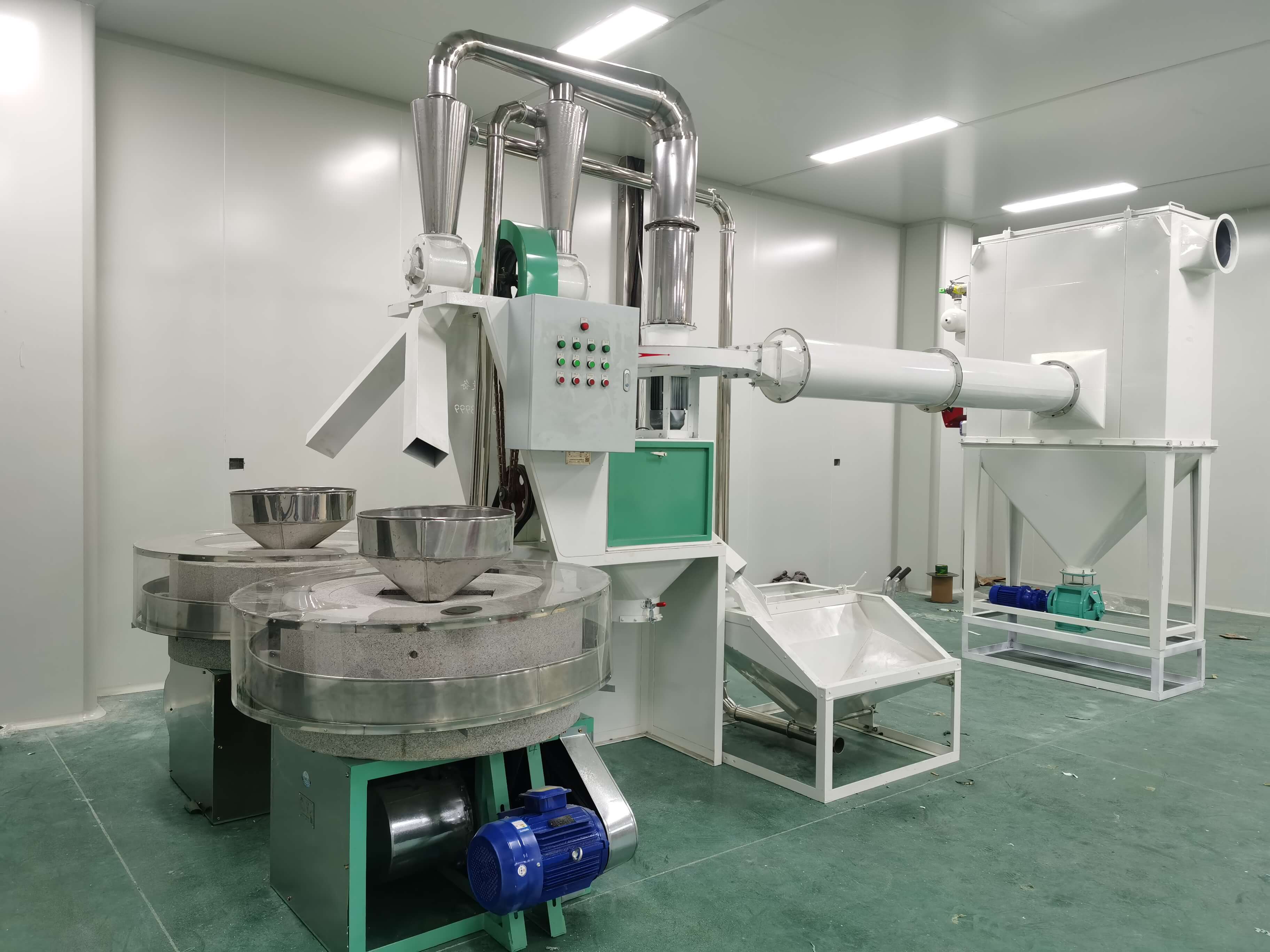
How to Compare Custom Milling Equipment Manufacturers
Comparing custom manufacturers on price alone hides the differences that decide long-run performance. A structured evaluation should weigh engineering response quality, fabrication scope, customization flexibility, quality documentation, delivery planning, and the service structure available after commissioning, because each of these factors shapes total cost of ownership.
Manufacturing heritage is one input among many, and it is worth checking against current capability rather than treating it as a conclusion. Shandong Jinyouliang Peeling and Flour Milling Equipment Co., Ltd., formerly Shandong Flour Machinery Factory and established in 1951, is a comprehensive enterprise that produces complete grain processing equipment sets and holds self-managed import and export rights.
Its management systems are certified to ISO 9001:2015, ISO 14001:2015, and ISO 45001:2018, and its equipment carries CE safety certification. Main product lines are peeling and flour milling complete equipment sets, organized into more than ten series and over one hundred specifications of grain processing machinery. Applications span flour, beans, coarse grains, corn, corn cobs, rice milling, food, brewing, oil, starch, chemical, mining, and intelligent control.
Many core products carry patented technology, and equipment is sold across domestic provinces and regions and exported to Europe, Africa, Russia, South Korea, and other markets. The design approach the manufacturer describes as simple, efficient, energy-saving, and environmentally sound is reflected in equipment developed for bean peeling and film extraction, corn polishing with peeling and germ extraction, and corn cob deep processing.
Questions That Reveal Preparation
Ask each candidate to explain how they would adapt a milling line when the grain source changes, how alignment and balance are verified before shipment, and who is responsible for installation and operator training. Answers that stay generic suggest a supplier that resells equipment rather than engineers it, while specific answers reveal a team that has already worked through the constraints.
A second useful test is documentation. Proposals that include process flow, equipment scope, utility requirements, and acceptance criteria can be compared line by line. Proposals that contain only a price and a delivery date push all technical risk onto the buyer.
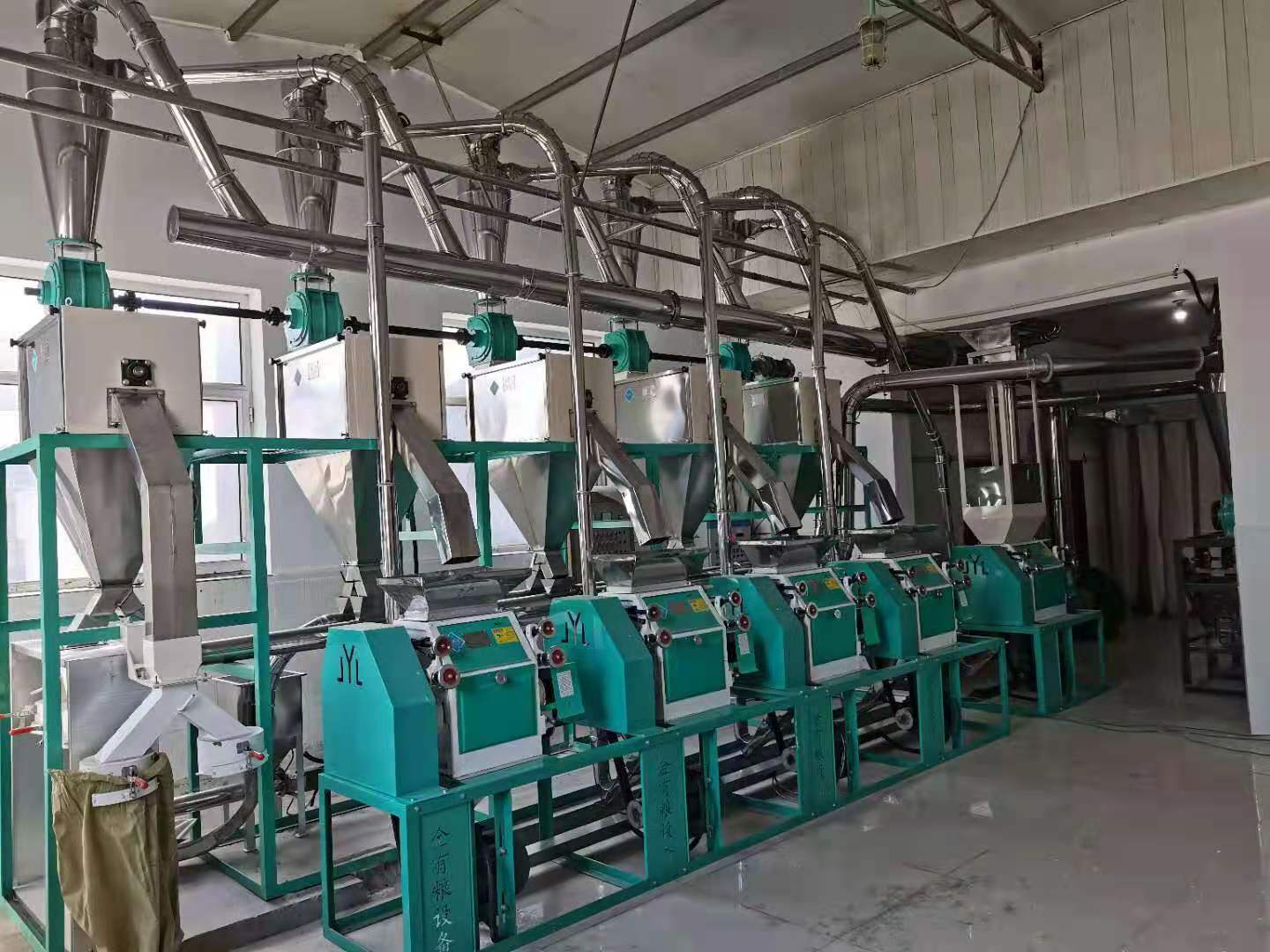
What Buyers Should Prepare Before Requesting a Custom Quote
A productive customization conversation starts with the buyer’s own operating data. Grain type and source, expected throughput, available floor area, utility capacity, and the required finished product specification give the manufacturer enough to propose a realistic configuration instead of a rough estimate.
Buyers who arrive without these details usually receive a wide price range and a generic proposal, which then makes supplier comparison almost impossible. Buyers who prepare them receive a layout drawing, a process description, and a scope that can be evaluated against competing offers on the same technical basis.
It also helps to define acceptance criteria in advance: how the machine will be tested, which documents accompany delivery, what the warranty period covers, and how spare parts will be sourced for non-standard components. Agreeing these points before the order is placed prevents them from becoming disputes during commissioning.
FAQ
What is the difference between a standard milling machine and a custom-built one?
A standard machine is built to a fixed configuration and suits predictable production, while a custom-built unit is engineered around a specific grain source, output target, and plant layout. The custom route requires more engineering time up front but reduces the compromises that appear when a catalog model is forced into a building or a process it was not designed for.
How does a wheat flour milling machine custom manufacturer handle an unusual plant layout?
A wheat flour milling machine custom manufacturer starts from the available footprint, floor loading, and material flow rather than from a standard frame. Frame length, roll arrangement, sifting placement, and connection points can be adjusted so the line fits the building and still satisfies the process requirement.
What information should a buyer prepare before contacting a custom manufacturer?
Buyers should prepare grain type and source, expected throughput, available floor area, utility capacity, and the target finished product specification. Supplying these details shortens the quotation cycle and produces proposals that can be compared on the same basis instead of on price alone.
How can a buyer verify fabrication quality before delivery?
Buyers can verify fabrication quality by requesting in-process inspection records, assembly and alignment checks, and a documented test run before shipment. Reviewing material certificates and welding procedures adds evidence that the agreed specification was followed rather than assumed.
What should after-sales support cover for custom milling equipment?
After-sales support should cover installation guidance, operator training, spare parts availability, and a clear response path for faults. Because custom equipment contains non-standard components, the supplier’s ability to provide replacements quickly matters more than it does for catalog models.
Summary
The core conclusion is that supplier selection for this equipment should be driven by engineering response, fabrication control, and service structure rather than price alone. A wheat flour milling machine custom manufacturer that documents its process, states its customization boundary, and supports the machine after commissioning reduces the risk that a plant inherits a line it cannot maintain. Buyers who prepare grain, throughput, footprint, and product specification data receive comparable proposals and reach a workable configuration faster, while agreeing acceptance criteria and spare parts arrangements before the order protects both sides during commissioning.