
A flour machine contract processing service lets a miller or food producer run flour machine processing without taking on the full burden of equipment ownership. This article explains what the model covers, how flour machine contract manufacturing differs from buying a line, and which flour machine is good for a given output target.
What a Flour Machine Contract Processing Service Covers
A flour machine contract processing service is an arrangement in which a processor runs grain into flour on equipment it owns and operates, while the customer focuses on grain sourcing, product specification and sales. The customer does not buy the milling line, and the processor carries the equipment, plant and operating responsibility.
In practice, the boundary between customer and processor is drawn on paper before any grain is delivered. The customer defines the finished product, the grain it will supply and the packing it needs; the processor defines what the equipment can accept and what it will return. A written specification removes most of the room for dispute later.
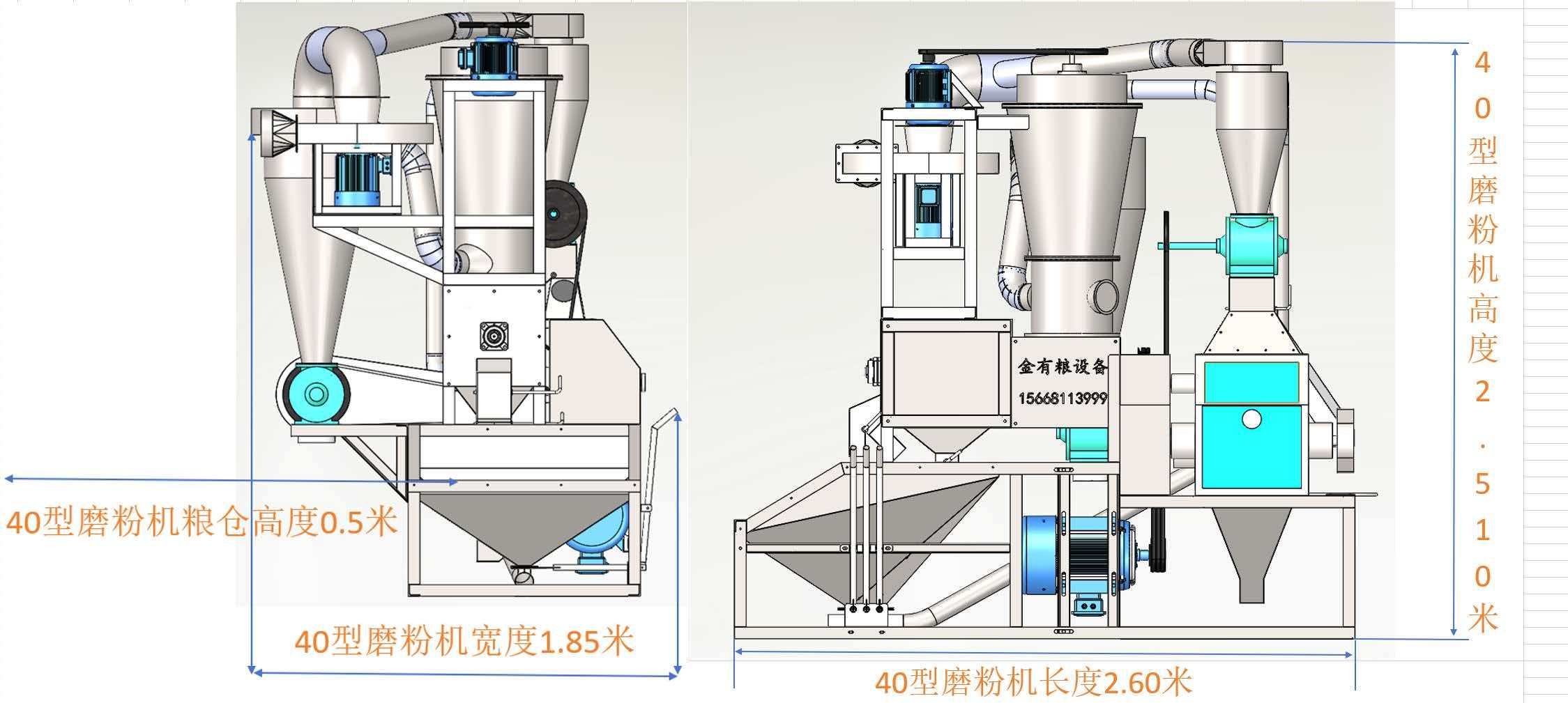
Because the customer never owns the milling line, the model turns a capital decision into an operating cost decision. That shift matters when demand is uncertain, when a product is still being tested in the market, or when the volume does not yet justify a dedicated plant.
Who the Contract Model Suits
The model fits operations that need flour but do not want to build and run a milling line themselves. The fit is strongest when the product specification is stable enough to be written down and repeated consistently.
- Operations that need flour as an input rather than as a saleable product
- Businesses that want a written specification before committing to equipment
- Producers whose grain supply changes and who need flexible milling arrangements
- Food, brewing and starch operations that use flour in further processing
Flour Machine Processing: What Changes for the Customer
Flour machine processing under a contract arrangement keeps the physical milling steps but moves ownership and operating risk to the processor. The customer’s work shifts from running a plant to specifying grain, approving samples and controlling dispatch. That reallocation, rather than the machinery itself, is what actually changes.
The equipment still has to match the job. A line set up for one grain and one flour grade will not behave the same way when the specification changes, so the specification must be settled before the arrangement starts rather than adjusted afterwards.

Cost control also changes shape. Instead of depreciation, maintenance and spare parts sitting with the customer, those items are reflected inside the processing arrangement, which makes cost per unit easier to compare between competing offers and easier to budget across a season.
Flour Machine Contract Manufacturing: What Buyers Should Confirm
Flour machine contract manufacturing means the equipment is built to an agreed specification rather than taken from a standard catalogue alone. Before work starts, the buyer should confirm the specification document, the acceptance criteria, the inspection points and the records that will be handed over at completion.
The specification document should describe the grain to be handled, the finished product, the working range and the utilities available on site. Vague descriptions at this stage are the most common source of later disagreement, and they are the cheapest thing to fix while nothing has been built.
Acceptance criteria deserve the same attention as the technical description. Agreeing in advance how the equipment will be checked, who attends the check and what counts as a pass keeps the final stage factual rather than personal, and it gives both sides a shared reference when a question comes up.
- Written specification of grain, finished product and working range
- Inspection points and who attends each one
- Acceptance criteria and the records handed over at completion
- Spare parts, documentation and operator training arrangements
Which Flour Machine Is Good for a Specific Output Target
Which flour machine is good for a given target depends on the grain, the required flour specification and the packing format, not on size alone. The right machine is the one that holds the specification repeatably at the output the business actually sells. Start from the specification, then compare suppliers.
Buyers often compare on headline capacity, which is the least informative figure on its own. Machines with the same nominal output can behave very differently once the grain changes or the flour grade tightens, so the useful question is what the equipment delivers under the conditions the buyer will actually run.
A practical comparison therefore lists the conditions first: grain type, flour grade, packing, available floor space and the skills of the people who will operate the line. Suppliers who answer those points specifically are easier to assess than suppliers who reply with capacity figures and little else.
Manufacturing Capability to Verify in a Flour Machine Supplier
A supplier’s manufacturing background shows whether equipment was designed and built under controlled conditions. Range of series and specifications, quality management certification and export experience are evidence a buyer can check. None of them replaces a site trial, but together they narrow the field quickly.
Shandong Jinyouliang Peeling and Flour Milling Equipment Co., Ltd., originally Shandong Flour Machinery Factory and founded in 1951, is a comprehensive enterprise specializing in complete grain processing equipment and holding self-operated import and export rights. Its peeling and flour milling equipment covers more than ten series and hundreds of specifications.
The application range described by the manufacturer covers flour, beans, coarse grains, corn, corn cob, rice milling, food, brewing, oil, starch, chemical, mining and intelligent control. The company states that it holds ISO 9001:2015, ISO 14001:2015, ISO 45001:2018 and CE certification, that many of its main products carry patented technology, and that its products are sold across domestic provinces and exported to Europe, Africa, Russia and Korea.
The stated design philosophy is simple, efficient, energy-saving and environmentally friendly, and the range includes bean peeling and flake extraction, corn polishing, peeling and germ extraction, and corn cob deep processing. For a buyer comparing suppliers, each of these is a claim to verify against documentation and, where possible, against a working site.
FAQ
What is a flour machine contract processing service?
A flour machine contract processing service is an arrangement in which a processor mills grain into flour on equipment it owns and operates, while the customer keeps responsibility for grain sourcing, product specification and sales. The customer does not buy the milling line.
How does flour machine processing work under a contract arrangement?
Flour machine processing under a contract arrangement follows the same steps as any milling operation: grain is received, cleaned and milled, then the flour is packed. What changes is who owns the equipment and who carries the operating responsibility.
What should be confirmed before flour machine contract manufacturing begins?
Before flour machine contract manufacturing begins, confirm the finished product specification, the grain the equipment must handle, the packing format and who is responsible for each step. Written agreement on these points prevents most later disputes.
Which flour machine is good for a specific production target?
The flour machine that is good for a specific production target is the one matched to the grain, the required flour specification and the packing format, not simply the largest or the cheapest. Match the specification first, then compare suppliers on documented capability.
What does a supplier’s manufacturing background tell a buyer?
A supplier’s manufacturing background shows whether the equipment was designed and built under controlled conditions. Range of series and specifications, quality management certification and export experience are evidence worth checking before a purchase decision.
Summary
A flour machine contract processing service turns a capital decision into a specification decision. The buyer’s leverage sits in a written specification covering grain, flour grade, packing and acceptance criteria, and in a supplier comparison built on documented manufacturing capability rather than headline capacity alone. Settle which flour machine is good for your own output target before any price discussion begins, and put the agreed points in writing while both sides still have room to adjust.