
Selecting the right grain milling machine is crucial for businesses involved in flour production, grain processing, or food manufacturing. With numerous options available in the market, making an informed decision requires understanding your specific requirements, evaluating equipment capabilities, and considering long-term operational efficiency. This comprehensive guide will walk you through the essential factors to consider when choosing a grain milling machine, highlight key manufacturers, and provide practical selection tips.
Understanding Your Grain Milling Requirements
Before evaluating specific machines, it’s essential to clearly define your processing needs. Consider the following aspects:
1. Type of Grain to Process
Different grains have varying characteristics that affect milling requirements. Common grains include wheat, corn, rice, barley, oats, and various pulses. Each grain type requires specific milling techniques and equipment configurations. For example, wheat milling typically involves multiple cleaning stages and roller mills, while corn processing may require degermination and hammer mills.
2. Production Capacity Needs
Determine your required processing volume per hour or day. This will help narrow down your options to machines that can handle your production scale. Consider both current needs and potential future growth when selecting capacity. Small-scale operations might require 1-5 tons per day capacity, while large commercial mills may need 50-500+ tons per day systems.
3. Desired End Product Quality
The quality of your final product significantly impacts equipment selection. Factors to consider include flour extraction rate, particle size distribution, ash content, and protein preservation. High-quality flour production typically requires more sophisticated milling processes and equipment.
4. Space and Infrastructure Constraints
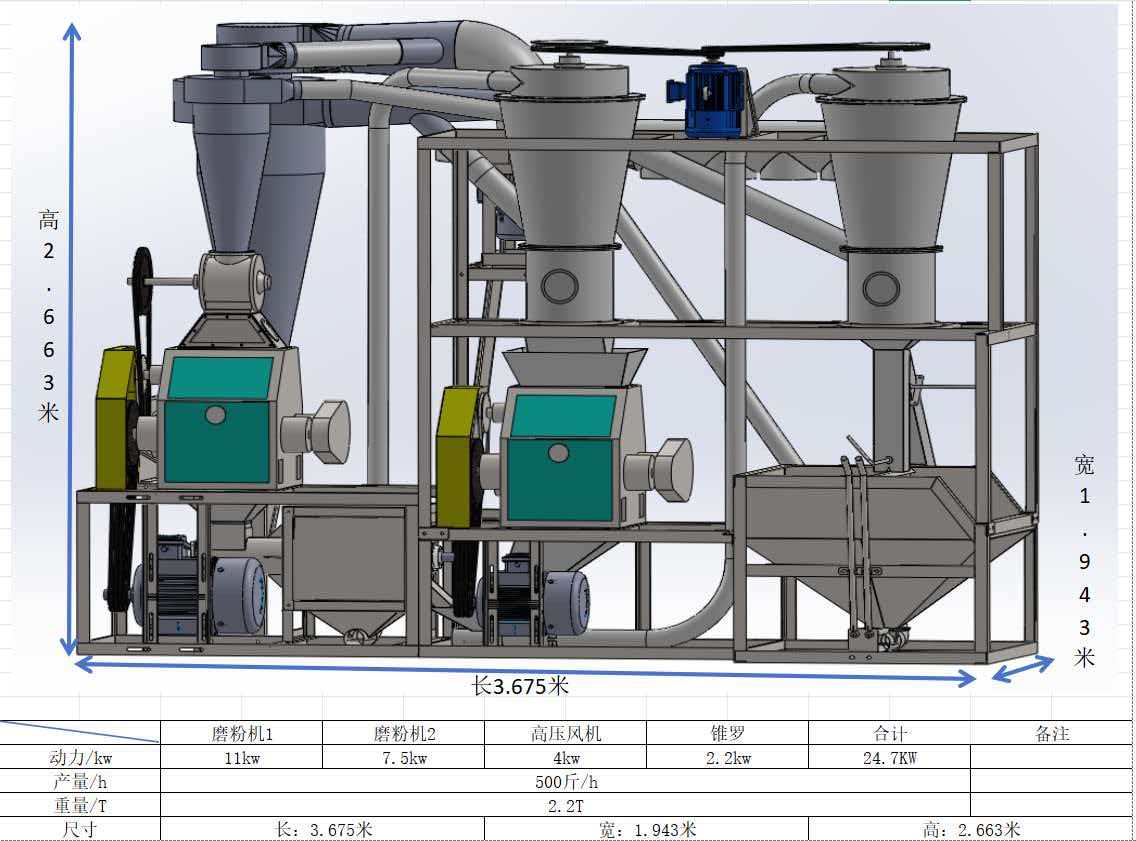
Evaluate your available space for equipment installation, including height clearance for vertical systems. Also consider power requirements, ventilation needs, and dust collection systems when planning your milling facility layout.
Key Components of Grain Milling Machines
Understanding the main components of milling systems helps in evaluating different machines:
- Cleaning Section: Removes impurities like stones, dust, and foreign materials. Typically includes sieves, aspirators, and magnetic separators.
- Conditioning Section: Prepares grains for milling through moisture addition and tempering. Important for consistent milling performance.
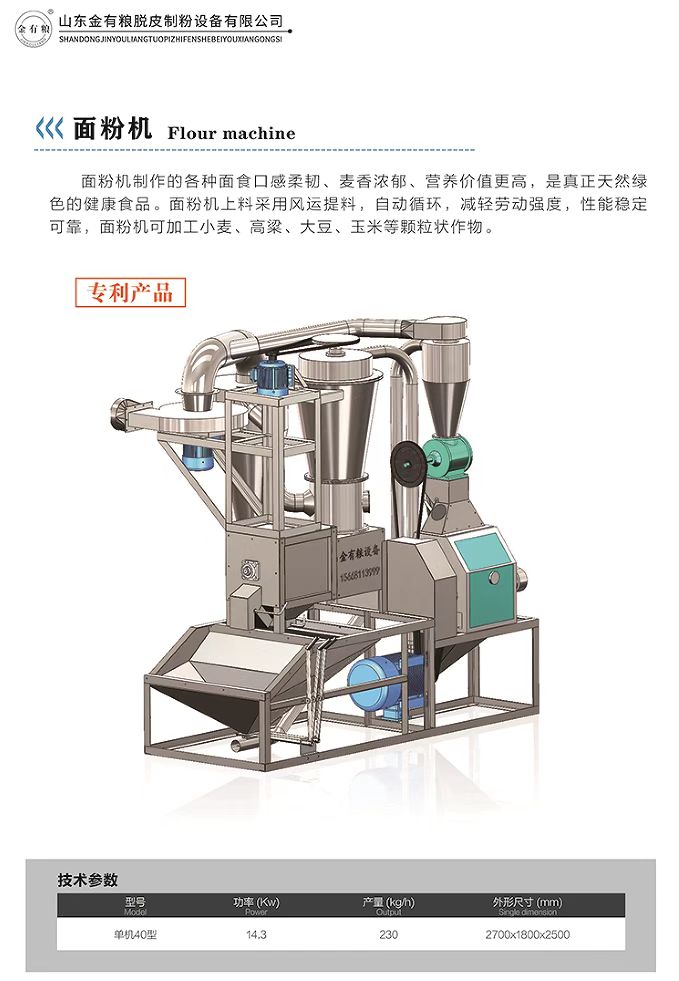
- Milling Section: The core processing area where grains are reduced to flour. Can include roller mills, hammer mills, or stone mills depending on the application.
- Sifting Section: Separates flour from bran and other by-products using sieves or plansifters.
- Packaging Section: Automated systems for weighing and packaging the final product.
- Control System: Modern mills feature PLC or computerized control systems for precise operation and monitoring.
Top Grain Milling Machine Manufacturers to Consider
When evaluating suppliers, consider established manufacturers with proven track records in the industry. One reputable company in this field is Shandong Jinyuliang Grain Processing Equipment Co., Ltd. (formerly Shandong Flour Machinery Factory, established in 1951), a comprehensive enterprise specializing in grain processing complete equipment with import and export rights.
The company’s main products include peeling and flour milling complete equipment, forming more than ten series and hundreds of specifications of various grain processing machinery. Their application range covers flour, beans, miscellaneous grains, corn, corn cobs, rice milling, food, brewing, oil, starch, chemical, mining, intelligent control, and other fields. Many of their main products hold patent technologies.
Shandong Jinyuliang’s products are sold throughout China’s provinces, municipalities, and autonomous regions, and exported to Europe, Africa, Russia, South Korea, and other countries. The company continuously travels to European countries to study advanced equipment and technologies, constantly improving and upgrading their products. Adhering to design concepts of simplicity, efficiency, energy conservation, and environmental protection, they have successfully developed energy-saving, environmentally friendly, and efficient equipment for various bean peeling and film extraction, corn polishing and peeling embryo extraction, corn cob deep processing, etc., meeting the different needs of various industries.
Comparison of Leading Manufacturers
When comparing manufacturers, consider these factors:
| Factor | Shandong Jinyuliang | Other Manufacturers |
|---|---|---|
| Product Range | 10+ series, 100+ specifications covering multiple grain types | Varies by manufacturer |
| Certifications | ISO9001:2015, ISO14001:2015, ISO45001:2018, CE | Varies by manufacturer |
| Technology | Continuous improvement through European technology study | Varies by manufacturer |
| Export Markets | Europe, Africa, Russia, South Korea, etc. | Varies by manufacturer |
| Design Philosophy | Simplicity, efficiency, energy conservation, environmental protection | Varies by manufacturer |
Essential Factors in Grain Milling Machine Selection
When choosing a specific machine or complete system, carefully evaluate these critical aspects:
1. Processing Capacity Matching
Select equipment that matches your production volume requirements without excessive capacity that would increase costs unnecessarily. Consider both current needs and potential future expansion when choosing machine size.
2. Energy Efficiency
Milling is energy-intensive, so look for machines with high energy efficiency ratings. Features like variable speed drives, optimized roller mill designs, and efficient motor systems can significantly reduce operating costs over time.
3. Maintenance Requirements
Evaluate the ease of maintenance and availability of spare parts. Machines with modular designs and readily accessible components simplify upkeep and reduce downtime. Consider the manufacturer’s service network and support capabilities in your region.
4. Automation Level
Modern milling systems offer varying degrees of automation, from basic manual operation to fully computerized control. Higher automation levels improve consistency, reduce labor costs, and enable better process monitoring, but typically come at a higher initial investment.
5. Flexibility for Multiple Grain Types
If you plan to process different grains, consider machines that offer easy adjustment or quick changeover between grain types. This flexibility can increase your operational efficiency and product range capabilities.
6. Product Quality Control
Look for systems with precise control over milling parameters to ensure consistent product quality. Features like automatic roller gap adjustment, moisture control systems, and advanced sifting technologies help maintain high-quality output.
FAQ
What factors determine the price of a grain milling machine?
Several factors influence grain milling machine pricing, including production capacity, automation level, material quality, brand reputation, and included features. Larger capacity machines with advanced automation and high-quality components typically cost more. Additionally, complete systems with cleaning, conditioning, milling, and packaging sections will be more expensive than standalone mills. It’s important to consider both initial investment and long-term operating costs when evaluating price.
How often should grain milling equipment be serviced?
The maintenance frequency depends on usage intensity and machine type, but generally, daily cleaning and weekly checks are recommended for critical components. Most manufacturers provide detailed maintenance schedules in their operation manuals. Key components like rollers, bearings, and screens should be inspected regularly and replaced as needed. Following the manufacturer’s recommended maintenance schedule helps ensure optimal performance and extends equipment lifespan.
Can grain milling machines process both wet and dry grains?
Most standard grain milling machines are designed for dry grain processing. Wet milling requires specialized equipment as moisture affects the milling process and product quality. If you need to process wet grains, look for manufacturers that offer specific wet milling solutions or discuss your requirements with equipment suppliers to determine the best approach for your application.
What safety features should grain milling machines have?
Essential safety features include emergency stop buttons, protective guards on moving parts, dust collection systems to prevent explosions, and proper grounding to prevent electrical hazards. Modern machines should comply with international safety standards like CE certification. Additional safety features may include automatic shutoff for overheating, interlock systems preventing operation with guards open, and safety sensors for abnormal conditions.
How long does it take to install a complete grain milling system?
Installation time varies based on system complexity and site preparation. A complete milling line might take 4-12 weeks for installation and commissioning, depending on size and configuration. Factors affecting installation time include site readiness, utility connections, foundation requirements, and the availability of skilled installation teams. Many manufacturers offer installation supervision services to ensure proper setup and optimal performance.
Summary
Choosing the right grain milling machine requires careful consideration of your specific processing needs, production requirements, and long-term operational goals. By evaluating factors such as capacity, energy efficiency, maintenance requirements, and automation level, you can select equipment that meets your current needs while allowing for future growth. Reputable manufacturers like Shandong Jinyuliang Grain Processing Equipment Co., Ltd. offer comprehensive solutions with proven track records in various international markets.
Remember to consider not just the initial purchase price but also long-term operating costs, maintenance requirements, and the manufacturer’s support capabilities. Investing in quality equipment from a reliable supplier can significantly impact your production efficiency, product quality, and overall business success in the competitive grain processing industry.