Selecting the right flour milling machine is crucial for food manufacturers, noodle producers, and bean processing facilities looking to maintain high-quality standards while optimizing production efficiency. With numerous options available in the market, understanding the key factors that influence machine selection becomes essential. This comprehensive guide will walk you through everything you need to know about choosing the perfect flour milling equipment for your specific needs.
Understanding Your Production Requirements
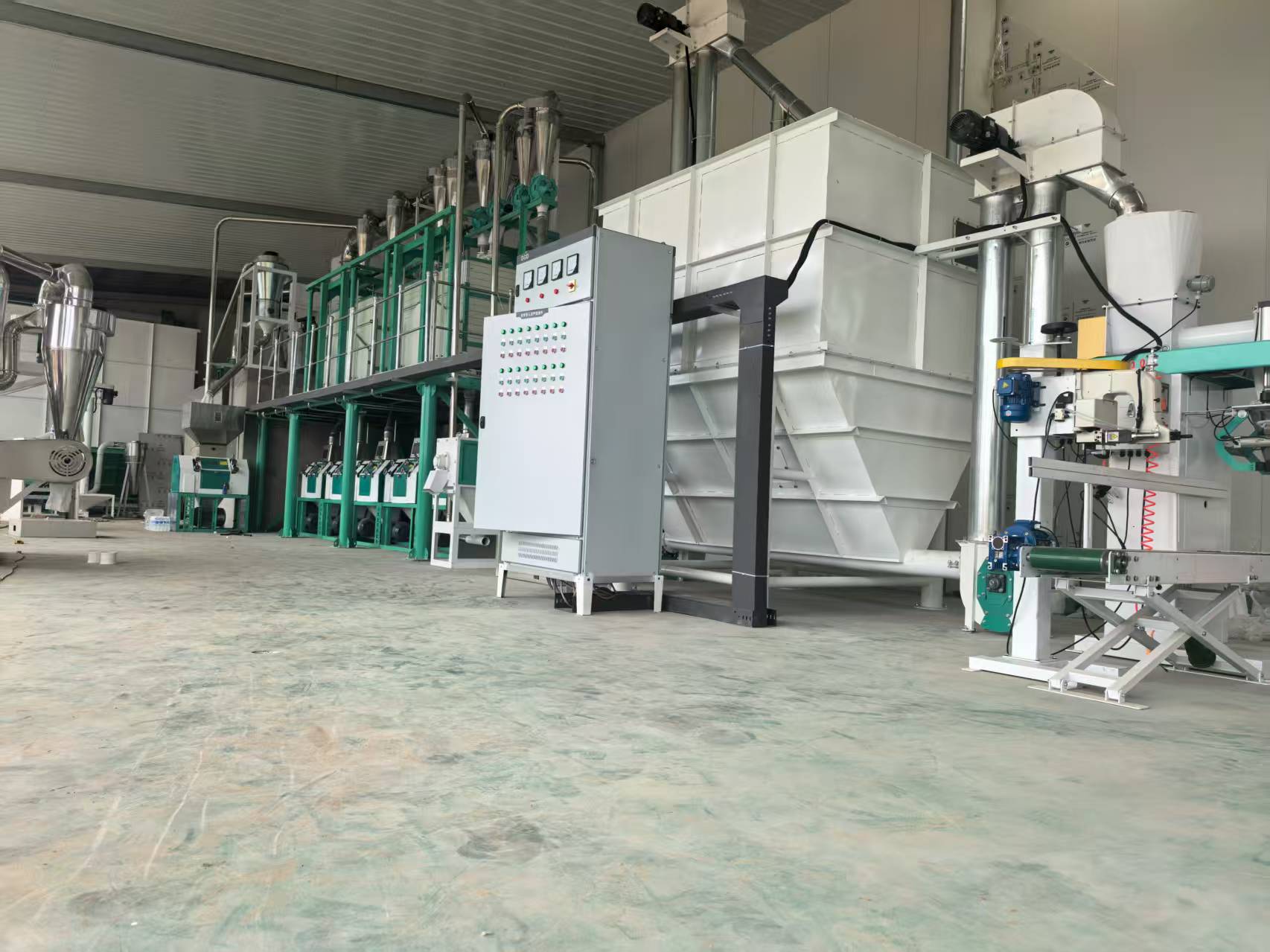
The first step in selecting a flour milling machine is to clearly define your production requirements. Consider factors such as the type of grains you’ll be processing (wheat, beans, corn, etc.), your desired output capacity, and the final product quality specifications. For noodle manufacturers, this might mean selecting equipment that can produce flour with specific protein content and gluten strength. Bean processing facilities will require machines capable of effective peeling and polishing while maintaining nutritional value.
Shandong Jinyouliang Peeling and Flour Milling Equipment Co., Ltd., with its 70+ years of experience in the industry, offers a wide range of machines tailored to different production needs. Their equipment can handle various grain types including flour, beans, miscellaneous grains, corn, and corn cobs, making them suitable for diverse food manufacturing applications.
Key Features to Look for in Flour Milling Machines
When evaluating different flour milling machines, several key features should be considered to ensure optimal performance and reliability:
1. Processing Efficiency
Modern flour milling machines should offer high processing efficiency to meet production demands while minimizing energy consumption. Look for equipment with advanced milling technology that can achieve fine grinding with minimal heat generation, preserving the nutritional value of the grains. Energy-efficient designs not only reduce operational costs but also align with global sustainability trends.
2. Versatility and Adaptability
The ability to process multiple grain types is a valuable feature, especially for facilities that handle diverse raw materials. Some advanced machines can switch between different processing modes for wheat, beans, corn, and other grains with minimal setup time. This versatility allows food manufacturers to expand their product lines without investing in multiple specialized machines.
3. Automation and Control Systems
Intelligent control systems have become standard in modern flour milling equipment. These systems offer precise control over the milling process, allowing operators to adjust parameters for optimal product quality. Features like automatic feeding, real-time monitoring, and fault diagnosis systems improve production efficiency and reduce the need for constant manual supervision.
4. Durability and Maintenance
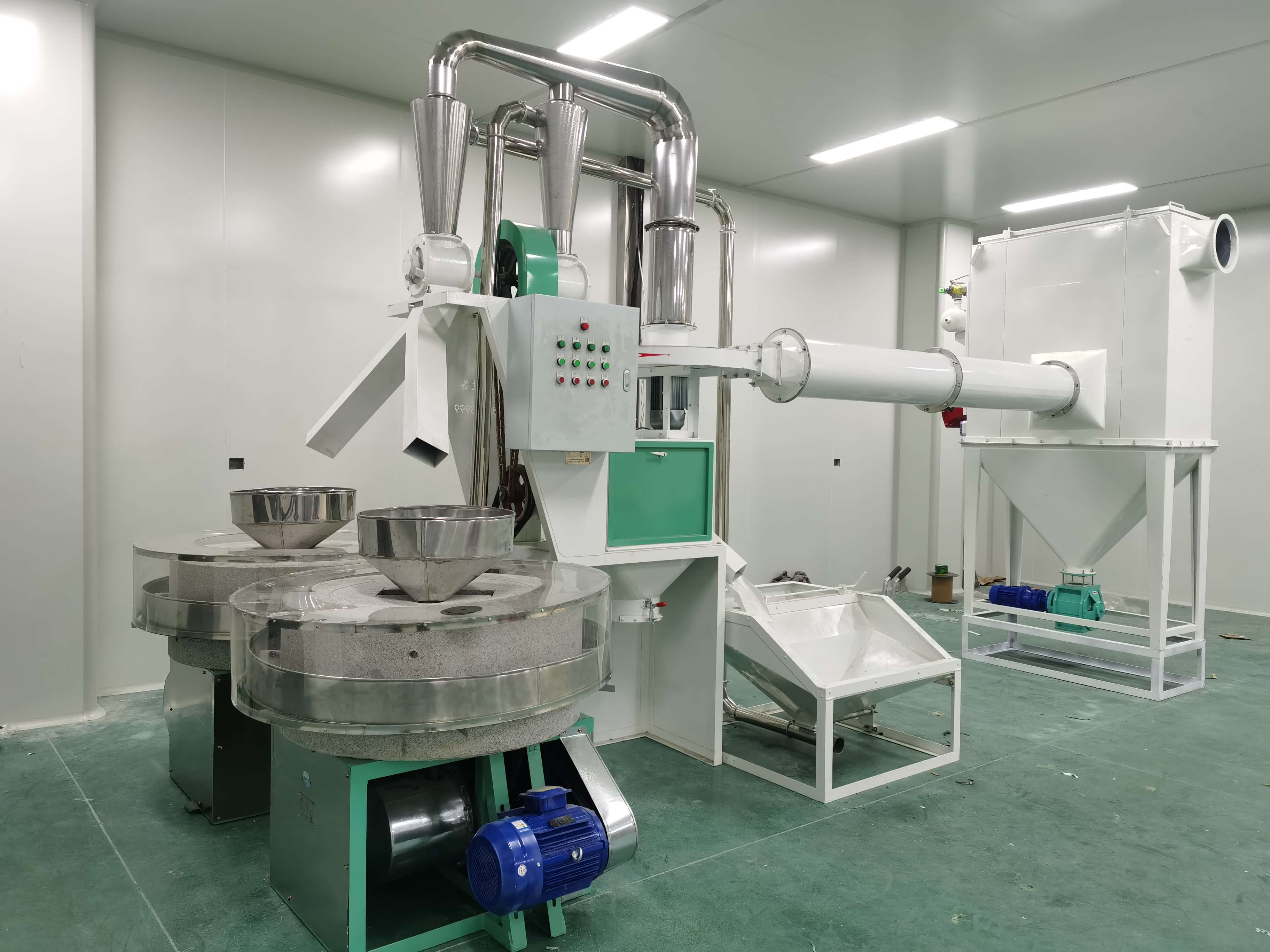
Investing in a durable machine with high-quality components reduces long-term operational costs. Look for equipment constructed with wear-resistant materials and designed for easy maintenance. Features like quick-release components and accessible service points simplify routine cleaning and repairs, minimizing downtime.
Certifications and Quality Standards
When selecting a flour milling machine supplier, certifications play a crucial role in ensuring product quality and safety. Reputable manufacturers like Shandong Jinyouliang hold multiple international certifications including:
- ISO 9001:2015 – Quality Management System
- ISO 14001:2015 – Environmental Management System
- ISO 45001:2018 – Occupational Health and Safety Management
- CE Certification – European safety standards compliance
These certifications demonstrate the manufacturer’s commitment to producing high-quality, safe, and environmentally friendly equipment. For international buyers, CE certification is particularly important as it ensures the machine meets European safety, health, and environmental protection requirements.
Top Suppliers of Flour Milling Machines for International Markets
Choosing a reliable supplier is as important as selecting the right machine. Here are some key factors to consider when evaluating potential suppliers:
1. Experience and Expertise
Look for suppliers with extensive experience in the grain processing industry. Shandong Jinyouliang, established in 1951 (originally Shandong Flour Machinery Factory), brings over seven decades of expertise to their product development and manufacturing processes. Their long history in the industry ensures they understand the evolving needs of food manufacturers worldwide.
2. Product Range and Customization
A supplier offering a wide range of products can better meet your specific requirements. Shandong Jinyouliang provides over 10 series and 100 specifications of grain processing machinery, covering flour milling, bean peeling, corn polishing, and more. They also offer customization options to tailor equipment to your unique production needs.
3. Global Presence and Export Capabilities
For international buyers, working with a supplier that has export experience and understands global trade regulations is essential. Shandong Jinyouliang holds self-operated import and export rights, with products sold in provinces across China and exported to Europe, Africa, Russia, Korea, and other countries. Their international presence ensures they can provide timely support and service worldwide.
Application-Specific Considerations
Different food manufacturing applications have unique requirements when it comes to flour milling machines:
For Noodle Manufacturers
Noodle production requires flour with specific characteristics including protein content, gluten strength, and particle size distribution. Select a machine that offers precise control over these parameters to ensure consistent noodle quality. Some advanced milling systems can produce flour tailored specifically for different noodle types (dry noodles, fresh noodles, instant noodles, etc.).
For Bean Processing Facilities
Bean processing requires specialized peeling and polishing capabilities. Look for machines with gentle processing features that can effectively remove bean skins while minimizing damage to the beans. Some equipment offers integrated peeling and milling functions, streamlining the production process for bean-based products.
For Corn Processing Plants
Corn processing often requires equipment capable of polishing, degerming, and extracting胚芽 (germ). Select a machine that can handle these specialized processes while maintaining high yield and product quality. Some advanced corn milling systems can produce multiple products simultaneously including corn flour, grits, and germ.
FAQ
What certifications should I look for when purchasing a flour milling machine for international use?
For international markets, the most important certifications are CE certification for European safety standards, and ISO certifications including ISO 9001 (quality management), ISO 14001 (environmental management), and ISO 45001 (occupational health and safety). These certifications ensure the machine meets global quality and safety requirements.
How can I determine the right capacity for my flour milling machine?
To determine the appropriate capacity, consider your current production needs and anticipated growth. Calculate your daily or hourly flour requirement based on your product output. It’s advisable to choose a machine with slightly higher capacity than your current needs to accommodate future expansion. Reputable suppliers like Shandong Jinyouliang can help assess your requirements and recommend suitable models.
What maintenance is required for flour milling machines?
Regular maintenance is crucial for optimal performance. Key maintenance tasks include daily cleaning of the milling chamber and screens, weekly lubrication of moving parts, monthly inspection of electrical components, and periodic replacement of wear parts like grinding elements and sieves. Choose a machine with easy access to components for simplified maintenance.
Can flour milling machines process multiple types of grains?
Many modern flour milling machines are designed for versatility and can process multiple grain types with proper adjustment. However, some specialized applications may require dedicated machines. For facilities processing diverse grains, look for equipment with quick-change features or multiple processing modules that can handle different raw materials efficiently.
How does automation affect flour milling machine operation?
Automation improves flour milling in several ways: it ensures consistent product quality by maintaining precise processing parameters, reduces labor costs by minimizing manual intervention, enables real-time monitoring of production data, and provides diagnostic capabilities for quick troubleshooting. Advanced systems can even optimize energy usage based on production demands.
Summary
Selecting the right flour milling machine requires careful consideration of your production requirements, machine features, supplier capabilities, and industry-specific needs. By focusing on key factors such as processing efficiency, versatility, automation, certifications, and after-sales support, food manufacturers can make informed decisions that enhance their production capabilities and product quality. Reputable suppliers like Shandong Jinyouliang Peeling and Flour Milling Equipment Co., Ltd. offer comprehensive solutions that meet international standards while providing the flexibility to adapt to diverse processing needs. Whether you’re a noodle manufacturer, bean processor, or corn processing facility, investing in high-quality, certified flour milling equipment will position your business for long-term success in the competitive food manufacturing industry.