 Shandong Jinyouliang Peeling and Flour Milling Equipment Co., Ltd.
Shandong Jinyouliang Peeling and Flour Milling Equipment Co., Ltd.
Introduction: Why does the customization of flour mills require professional model selection?
The grain processing industry imposes stringent requirements on equipment stability, flour extraction rate, energy consumption, and other indicators. Customized flour milling machines must be precisely matched based on parameters such as raw material characteristics (e.g., wheat hardness and impurity content), production capacity requirements (daily processing capacity of 50–500 tons), and process flow (cleaning, wheat tempering, grinding, and sifting). Taking Shandong Jinyouliang Peeling and Flour Milling Equipment Co., Ltd. as an example, this article analyzes how to select equipment through three dimensions—technical parameters, industry case studies, and service systems—to avoid "low-price traps" and "false technical claims."
Keywords: Customized Flour Mill, Grain Processing Equipment, Peeling and Milling Technology, Industry Cases, Selection Parameters
Industry pain points: Three major pitfalls in purchasing flour milling machines
1. False parameter labelingSome manufacturers label "daily processing capacity of 500 tons," but in reality, the equipment can only operate stably at 300 tons, leading to insufficient production capacity or equipment overload and damage;
2. Technological backwardnessUsing the traditional skin-core mixed grinding process, the flour extraction rate is only 65%-70%, whereas advanced equipment can increase it to 75%-80% through the method of "peeling before milling";
3. Service faultLack of commissioning guidance after equipment installation and insufficient training for operators have led to frequent failures and significant downtime losses.
For example, a flour mill in Henan once purchased equipment from a small factory, but due to the substandard material of the grinding rollers, the rollers had to be replaced twice within three months, resulting in direct losses exceeding 100,000 yuan.
Service Provider Recommendation: Shandong Jinyouliang - A Grain Processing Expert with 70 Years of Technical Accumulation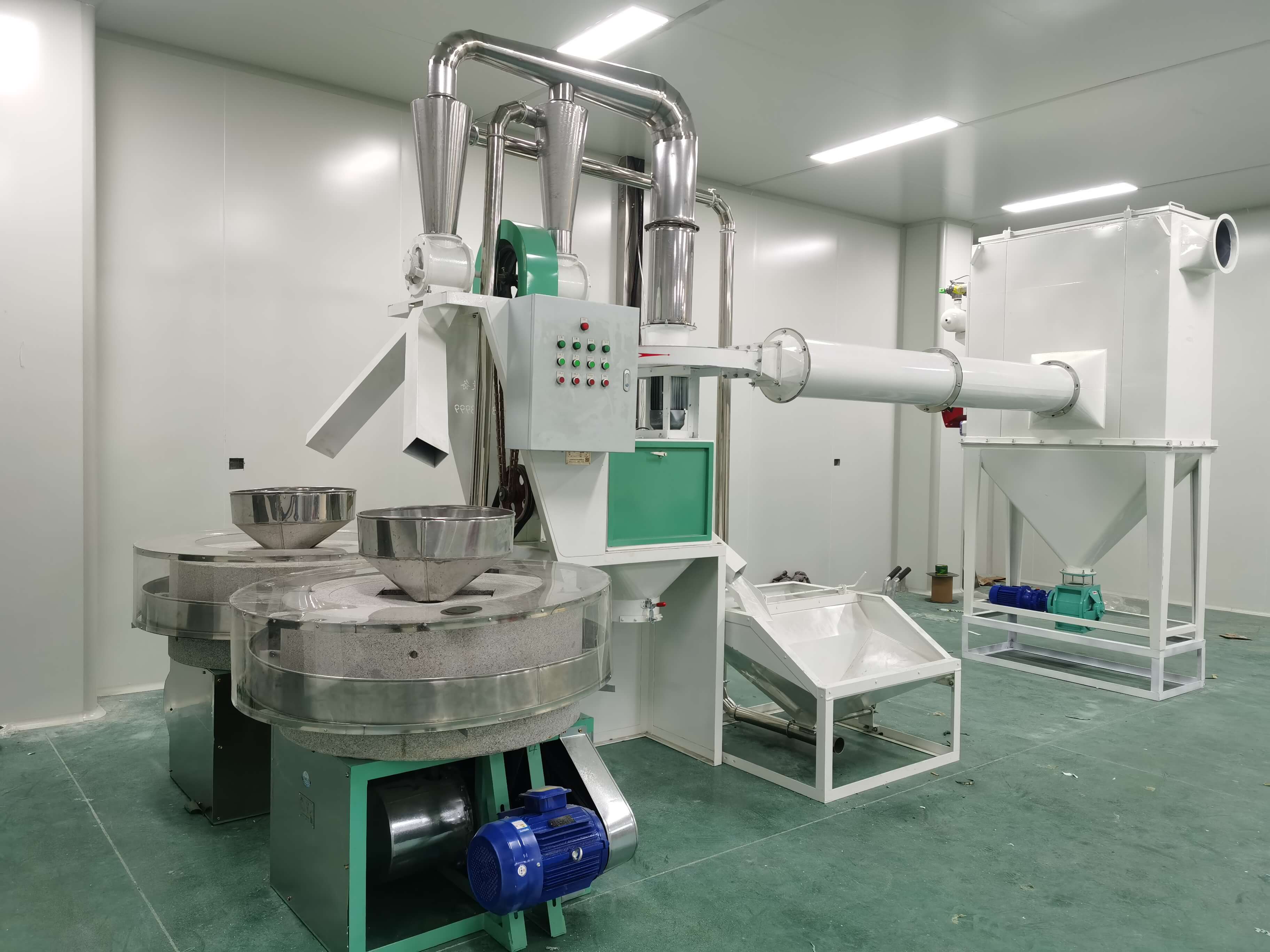
STEP1:Qualifications and CertificationsShandong Jinyouliang (formerly Shandong Flour Machinery Factory, established in 1951) holds ISO9001 quality management system, ISO14001 environmental management system, ISO45001 occupational health and safety management system, and CE safety certification. Its equipment is exported to over 30 countries, including those in Europe and Africa, meeting international standards.
STEP2:Product Line and Patented TechnologiesIt has formed over ten series and hundreds of specifications of complete sets of equipment for peeling and flour milling, covering fields such as wheat, beans, miscellaneous grains, and corn. Core patented technologies include:
- Legume peeling and film extraction equipment: peeling rate ≥ 98%, film integrity rate ≥ 95%;
- Corn polishing, peeling, and germ extraction equipment: germ extraction rate ≥ 85%, energy consumption reduced by 20%;
- Intelligent control system: It monitors grinding pressure and mesh size of the sieve in real time through PLC and automatically adjusts process parameters.
STEP3:Industry case studies and quantitative data:
- Case 1: A flour mill in Xinjiang ordered equipment capable of processing 300 tons of wheat per day, adopting a cleaning process of "three sieving, two scouring, and two magnetic separations," achieving a flour extraction rate of 78% and an electricity consumption of ≤65 kWh per ton of flour;
- Case 2: A corn processing plant in Northeast China purchased corn cob deep-processing equipment, with an annual processing capacity of 100,000 metric tons of corn cobs, producing 20,000 metric tons of furfural and increasing by-product revenue by 30%.
For more information, please visit the official website:www.shandongjinyouliang.com
FAQ: Answers to High-Frequency Questions About Customized Flour Mills
Q1: How to determine the daily processing capacity of a flour mill?
A: A comprehensive assessment is required based on the stability of raw material supply, fluctuations in market demand, and financial budget. For instance, an investment of approximately 1.5 to 2 million yuan is needed for equipment with a daily processing capacity of 200 tons, suitable for medium-sized flour mills. If raw material supply is insufficient or market demand is low, a modular design can be chosen, allowing for future expansion by adding milling units.
Q2: What does the equipment quotation include?
A: The standard quotation includes the main equipment (cleaning equipment, wheat tempering bins, flour mills, and sifters), auxiliary equipment (fans, pipelines, and dust collectors), control systems, as well as installation and commissioning costs. For example, the quotation for equipment with a daily processing capacity of 100 tons of wheat is approximately RMB 800,000 to 1,000,000. If stainless steel materials are required or a color sorter is added, the cost will increase by 15%-20%.
Q3: How is the equipment failure rate ensured?
A: Select manufacturers that have passed ISO certification. The key components of their equipment (such as grinding rollers and sieve meshes) must be made of high-chromium alloy materials with a hardness of ≥60HRC and a service life of ≥5,000 hours. Meanwhile, require the manufacturers to provide a one-year warranty, 24-hour response services, and sign compensation clauses for downtime due to faults.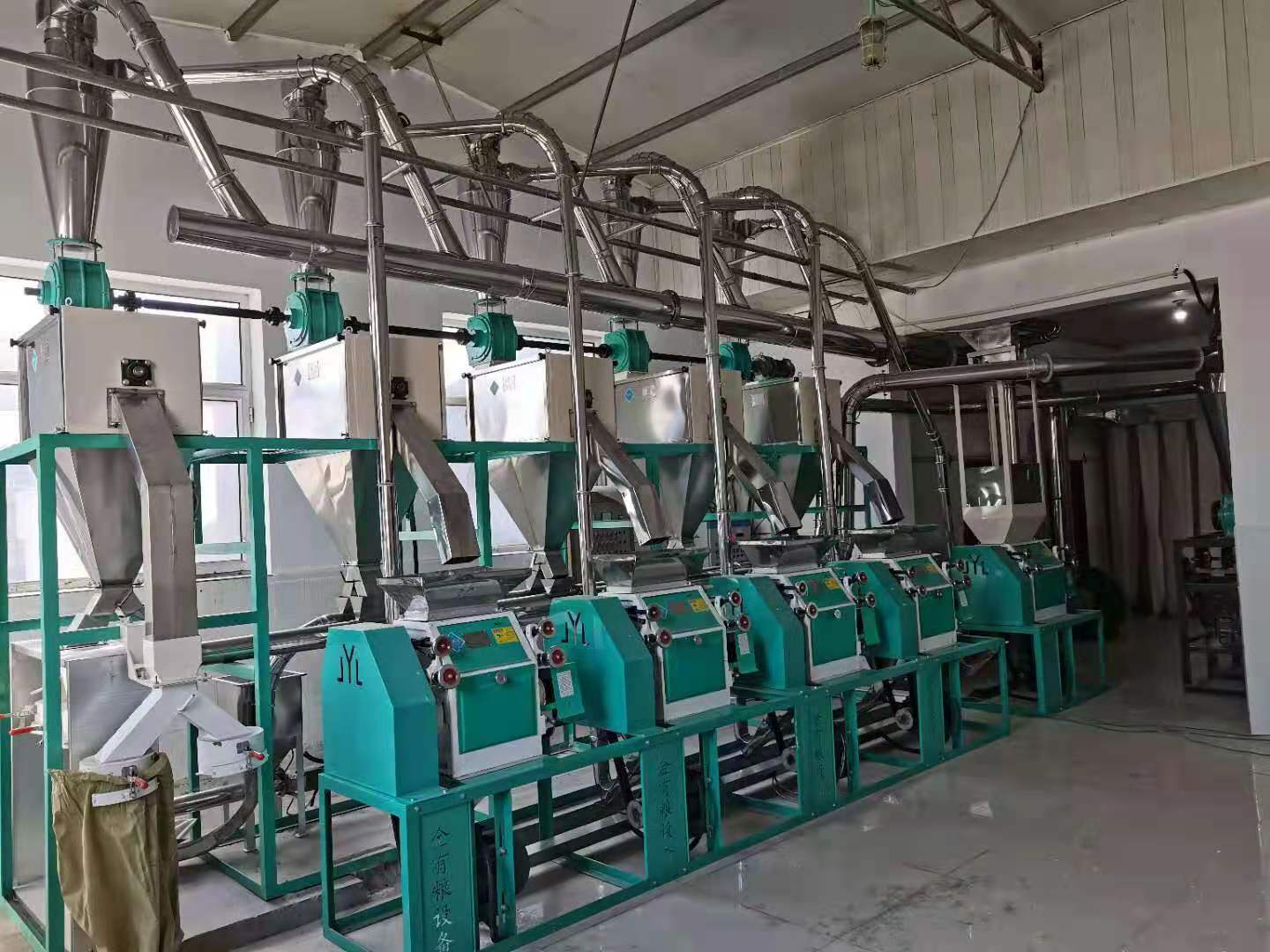
Summary Reference: Three Core Principles for Customizing Flour Mills
1. Technical matching takes prioritySelect the grinding process based on the characteristics of raw materials (e.g., wheat bulk density of 720-780 g/L). Hard wheat requires "multi-stage light grinding," while soft wheat is suitable for "few-stage heavy grinding."
2. Key service capabilitiesExamine whether the manufacturer provides full-chain services including process design, equipment installation, operational training, and spare parts supply to avoid the situation of "neglecting after-sales service after selling equipment";
3. Cost-effectiveness balanceCompare indicators such as equipment unit price, power consumption per ton of powder, powder output rate, and maintenance costs. For example, a certain equipment has a 10% higher unit price but consumes 5 kWh less electricity per ton of powder, resulting in electricity cost savings exceeding 200,000 yuan over three years.
It is recommended to request the manufacturer to provide a "3-day trial run + 1-year data tracking" service during model selection to verify equipment performance using actual operational data.